
A properly maintained septic tank and system in Central Florida can provide reliable service for many years, but regular maintenance plays an important role in helping extend its lifespan. One of the most important parts of septic system maintenance is having the septic tank pumped on a regular schedule.
Think of your septic system like your car. If you skip an oil change, your car may continue running for a while. However, neglecting routine maintenance can eventually lead to expensive repairs and even a complete breakdown.
Your septic system works in much the same way. Regular pumping and inspections can help prevent problems before they become costly emergencies.
How Often Should a Septic Tank Be Pumped?
How frequently your septic tank needs to be pumped depends on several factors, including:
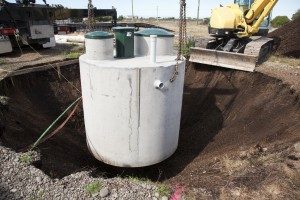 The size of your septic tank
The number of people living in your home
The amount of wastewater your household produces
The amount of solids entering the system
The overall condition of your septic system
For many households, septic tanks are pumped approximately every 2 to 5 years. However, your specific pumping schedule may be different.
A septic professional can help determine an appropriate maintenance schedule for your system.
Waiting a few extra months may not cause an immediate failure, but consistently putting off pumping can allow sludge to accumulate and increase the risk of septic problems.
What Happens If You Don’t Pump Your Septic Tank?
Your septic tank is designed to separate wastewater and solids. Wastewater flows into the tank, where heavier solids settle to the bottom and form sludge. Liquids then move out of the tank toward the drain field.
The problem occurs when sludge and scum are allowed to build up too much.
If the tank becomes overloaded with solids, those materials can potentially move into the drain field. This can interfere with the system’s ability to properly treat and disperse wastewater and may eventually contribute to system failure.
A neglected septic tank can also lead to unpleasant odors, slow drains, sewage backups, or wastewater surfacing in the yard.
Septic System Repairs Can Be Expensive
Regular septic pumping is generally much less expensive than dealing with a major septic failure.
When a septic system is neglected, problems can progress from a simple pumping need to drain field damage or other significant repairs. In severe cases, an entire septic system may need to be repaired or replaced.
Routine maintenance is one of the simplest ways homeowners can help protect their investment and reduce the risk of unexpected septic emergencies.
How Long Does a Septic System Last?
There isn’t one exact lifespan for every septic system. A system’s longevity depends on factors such as proper design and installation, soil conditions, usage, maintenance, tank and drain field condition, and how well the system is cared for.
Regular septic pumping, inspections, and proper use can help extend the life of your septic system.
It’s also important to avoid flushing items that can clog or damage the system, and to be mindful of what goes down your drains.
Trust Orlando Septic Services
Don’t wait until a septic backup or drain field problem leaves you dealing with an expensive emergency. Regular maintenance can help keep your septic system working properly and potentially extend its useful life.
If you need septic tank pumping, septic maintenance, inspections, or septic services in Orlando, contact Orlando Septic Services. We can help with your residential or commercial septic needs and provide the professional service your septic system requires.

